
What to Look for in Paver Patio Installation in Greenville, SC
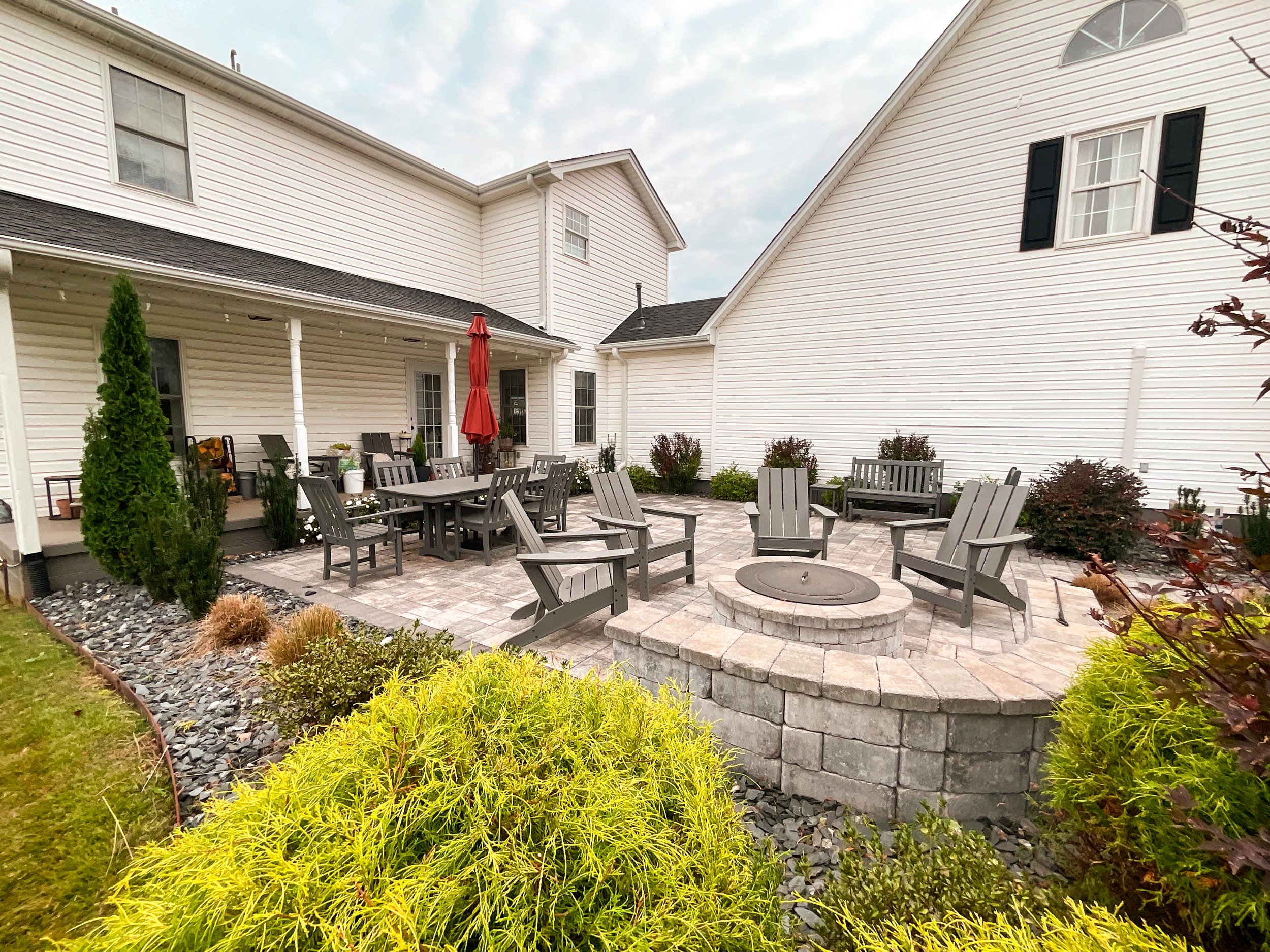
A paver patio is one of the most visible investments a homeowner makes in their yard, and the difference between a patio that lasts and one that shifts, sinks, or weeds through the joints within a few years almost always comes down to what happens before the pavers ever go down.
Paramount Outdoor Living is a design-build outdoor living company serving Greenville, SC, and the surrounding Upstate area. Because the same team handles design, hardscape, and plantings, paver patio installation gets planned as part of the whole outdoor space rather than dropped in as a standalone project.
Related: The Paver Patio Upgrade That Makes Your Backyard Feel Complete
Base Preparation Determines Whether The Patio Stays Level
Pavers themselves are durable, but they only perform as well as what's underneath them. Proper excavation depth, compacted gravel base, and correct drainage slope prevent the settling and shifting that eventually shows up as an uneven, wavy patio surface.
Skimping on base depth to save time is one of the most common causes of a patio failing years before it should. A properly compacted base, built in layers rather than all at once, is what actually carries the weight of foot traffic and furniture over time.
Drainage And Slope Prevent Water From Pooling On The Surface
A patio built without the right slope away from the house can send water toward the foundation or leave standing puddles after every rain. A design-build team accounts for grade, downspouts, and existing drainage patterns before the layout is finalized, not after problems show up.
Even a subtle grading mistake can turn a patio into a low point that collects runoff from the rest of the yard. Addressing drainage at the design stage costs far less than regrading or rebuilding a patio after water damage appears.
Drainage And Slope Prevent Water From Pooling On The Surface
Polymeric sand in the joints and a properly installed edge restraint are what keep individual pavers from creeping apart under foot traffic and freeze-thaw cycles. Skipping either one is a common shortcut that shows up later as shifting pavers and gaps that fill with weeds.
Edge restraints anchor the entire perimeter of the patio, so a failure at just one corner can eventually loosen pavers throughout the whole field. Reapplying polymeric sand every few years as part of routine maintenance keeps joints locked tight well beyond the original installation.
Related: Project Showcase: Modern Paver Patio in Simpsonville, SC
Layout And Pattern Choices Should Match The Style Of The Home
A running bond pattern in a standard color reads differently than a herringbone layout in a multi-tone blend, and the right choice depends on the home's architecture and the surrounding hardscape. A design-build team can walk through paver samples and layout options on site before anything is ordered.
Pattern also affects performance, not just looks, since certain layouts distribute weight and resist shifting better in high-traffic areas. Seeing samples in the actual light and setting of the yard prevents the disappointment of a color that looked right in a catalog but not in place.
A Paver Patio Is a Long-Term Addition to How the Property Gets Used
A well-built paver patio holds up to decades of grilling, gatherings, and everyday use without the cracking or fading that concrete slabs are prone to, and individual pavers can be replaced if one ever gets stained or damaged instead of redoing the whole surface.
Working with a design-build team means the patio, plantings, and lighting around it are planned together, so the finished space feels intentional rather than like a slab that was dropped into the yard.
Contact Paramount Outdoor Living to Discuss Paver Patio Installation for Your Property and get a patio built to hold up through Greenville’s climate for decades.
Related: Transforming Backyards with Expert Landscape Design and Paver Patios in Simpsonville, SC