
What’s the Maintenance Like for Artificial Turf vs. Natural Grass?
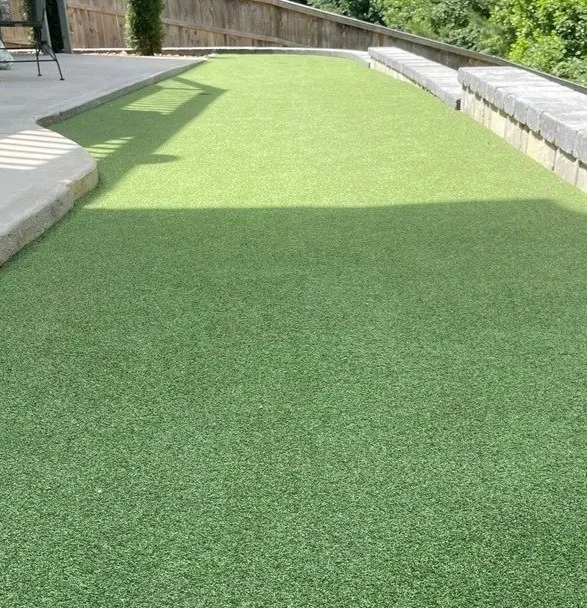
In Greenville, SC, many homeowners ask us how artificial turf compares to natural grass when it comes to ongoing care. As a landscape designer working throughout our area, we guide clients through how artificial turf performs over time and what it takes to keep both options looking their best in the front or backyard. Climate, soil conditions, and how the space gets used all play a role in choosing between artificial turf and living grass.
Day-to-Day Care With Artificial Turf
Artificial turf offers a consistent surface that stays green regardless of weather patterns. In our area, where heat and humidity can stress natural grass, artificial turf removes the need for mowing, fertilizing, or seasonal reseeding. That said, artificial turf still requires routine attention to keep it clean and functioning as intended.
We regularly clear debris such as leaves, twigs, and organic buildup from artificial turf to prevent surface compaction and maintain proper drainage. Occasional rinsing helps remove dust, pollen, and pet residue, especially during warmer months when buildup becomes more noticeable. For high-traffic areas, we brush the turf fibers to keep them upright and evenly distributed.
Artificial turf also requires periodic inspection of the infill material beneath the surface. This layer supports drainage and stability, so we check for displacement and redistribute it as needed. In shaded areas or spots with limited airflow, we monitor for moss or algae growth and address it promptly to preserve the appearance and performance of the artificial turf.
Natural Grass and Seasonal Demands
Natural grass responds directly to the changing seasons in our area, which means its care routine shifts throughout the year. During spring and summer, we focus on mowing schedules, fertilization, and weed control to keep the lawn thick and uniform. In fall, we prepare the grass for cooler temperatures with aeration and overseeding to strengthen root systems.
Irrigation plays a significant role in maintaining natural grass. In periods of low rainfall, we ensure consistent watering to prevent stress and discoloration. At the same time, we monitor for overwatering, which can lead to disease and soil compaction. Balancing moisture levels remains essential for long-term lawn performance.
Natural grass also requires attention to soil health. We test and adjust soil conditions to support strong growth, especially in areas where heavy clay or sandy soils create challenges. Over time, foot traffic can wear down certain sections, so we address thinning areas with targeted overseeding and soil amendments.
Related: Say Goodbye to Mowing: Artificial Turf Installation in Simpsonville, SC, Made Easy
How Artificial Turf Handles Weather and Use
Artificial turf holds up well in a range of weather conditions, which makes it appealing for spaces that see frequent use. Heavy rain drains through the base system, reducing muddy conditions that often affect natural grass. During extended dry periods, artificial turf maintains its color without requiring irrigation.
However, artificial turf can retain heat, especially in direct sunlight. We take this into account when designing spaces and may incorporate plantings, shade structures, or strategic layout decisions to balance surface temperatures. In areas with pets or frequent gatherings, we plan for proper drainage and cleaning access to keep the artificial turf comfortable and usable.
Wear patterns also differ between artificial turf and natural grass. Artificial turf distributes traffic more evenly, but over time, high-use zones may show signs of flattening. We address this with brushing and infill adjustments to maintain a uniform look.
Comparing Long-Term Care Approaches
Artificial turf simplifies many routine tasks, but it shifts the focus to cleaning, surface care, and periodic adjustments. Natural grass requires more frequent intervention, especially during peak growing seasons, but it offers a living surface that adapts and regenerates with proper care.
We help clients evaluate how they plan to use their outdoor space, how much time they want to dedicate to upkeep, and how different surfaces will perform in our area’s climate. Artificial turf works well for consistent appearance and reduced mowing, while natural grass suits those who prefer a living landscape that evolves through the seasons.
Artificial turf and natural grass each require a thoughtful approach to care. By understanding how each option responds to weather, usage, and soil conditions, we design and manage outdoor spaces that align with how our clients live and use their property.
Related: Is Artificial Turf Worth It? Pros & Cons for Homeowners in Five Forks, SC